
Personal Development
Curriculum Aims and Values
Our responsibility to educate students extends far beyond academic achievement. The Personal Development (PD) curriculum at Greenbank is designed to nurture core values such as respect, tolerance, and compassion. We aim to ensure that all pupils are well prepared for life beyond school, with a clear understanding of their roles and responsibilities within society.
Through a comprehensive PD programme, we support the development of students’ confidence, character, and resilience. This programme encompasses:
- Fundamental British Values and Citizenship
- Social, Moral, Spiritual and Cultural (SMSC) education
- Personal, Social, Health and Economic, including Relationships and Sex Education
- Careers education and preparation for life in the wider world
Students’ character and cultural capital are further enriched through a wide range of extra-curricular opportunities, including clubs, activities, educational visits, and residential experiences.
Personal Development Curriculum: Organisation and Delivery
Our PD curriculum is delivered through a range of carefully planned approaches, including:
- Dedicated curriculum time through the PD programme
- Engagement with external agencies and support organisations where appropriate
- High levels of student attendance and engagement
- Positive feedback from students and parents
- Student leadership opportunities, including the student council and pupil voice initiatives
- Strong pastoral support through House systems, wellbeing services, and tailored care
- A broad and inclusive extra-curricular programme
- A commitment to equality of opportunity for all students
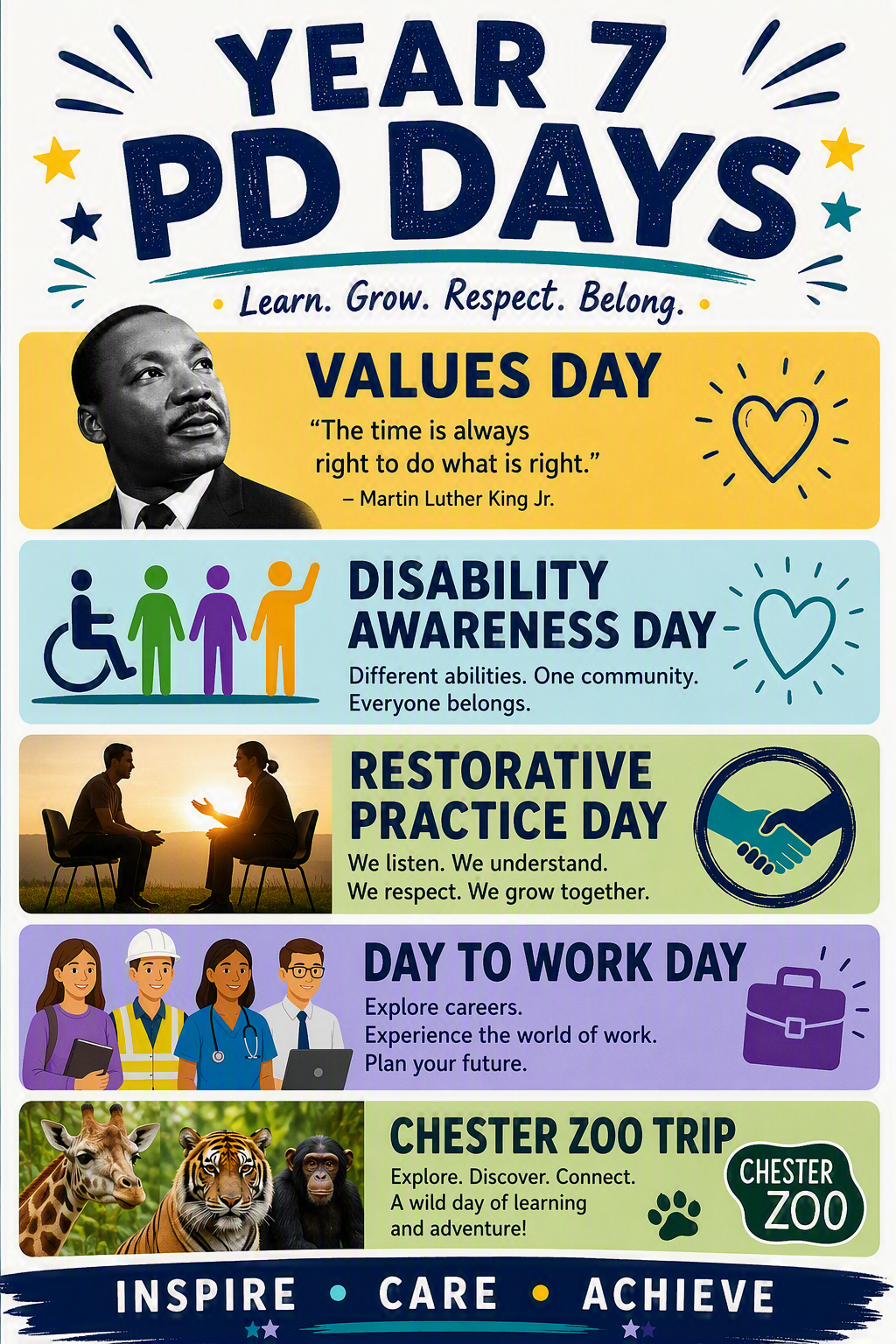
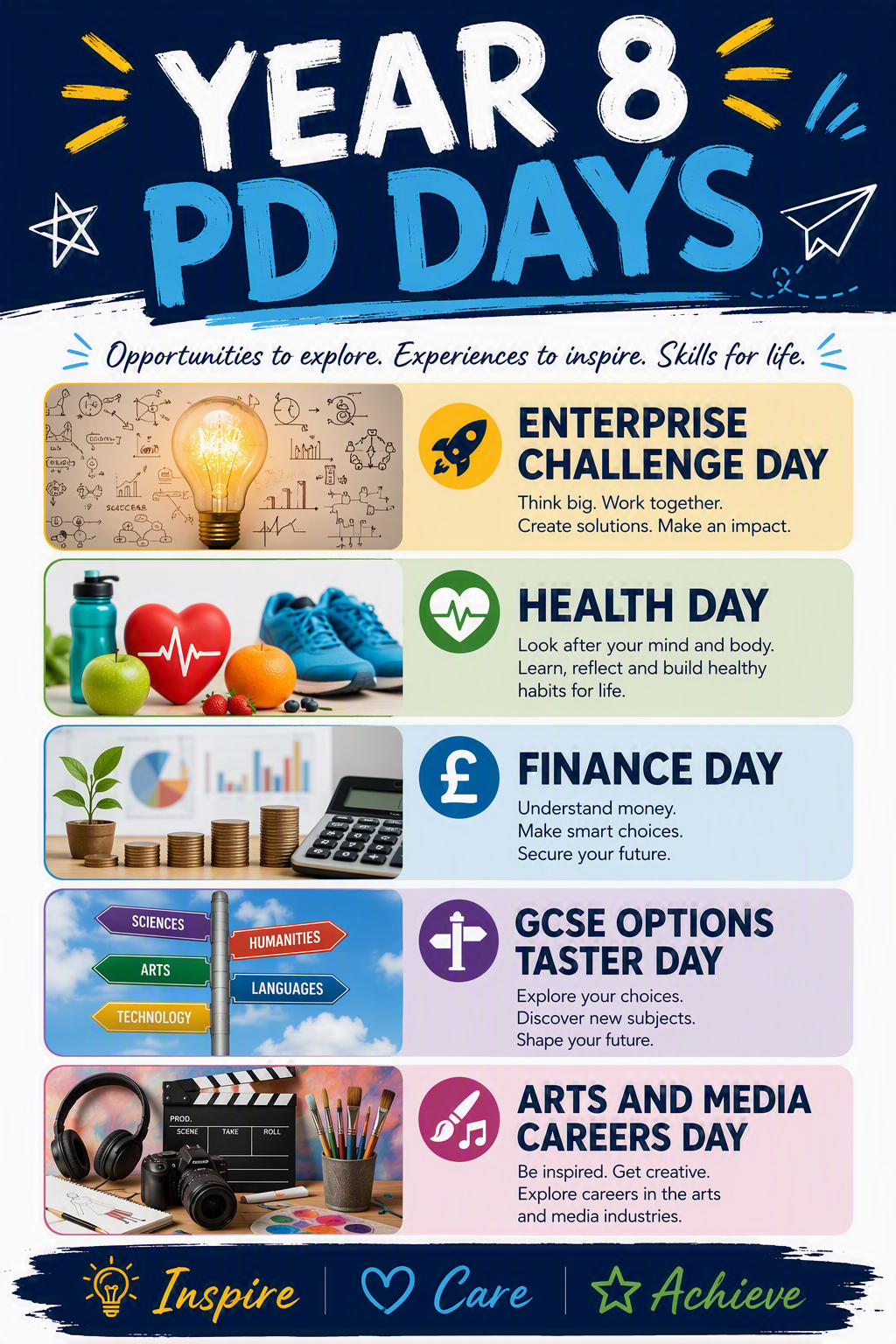
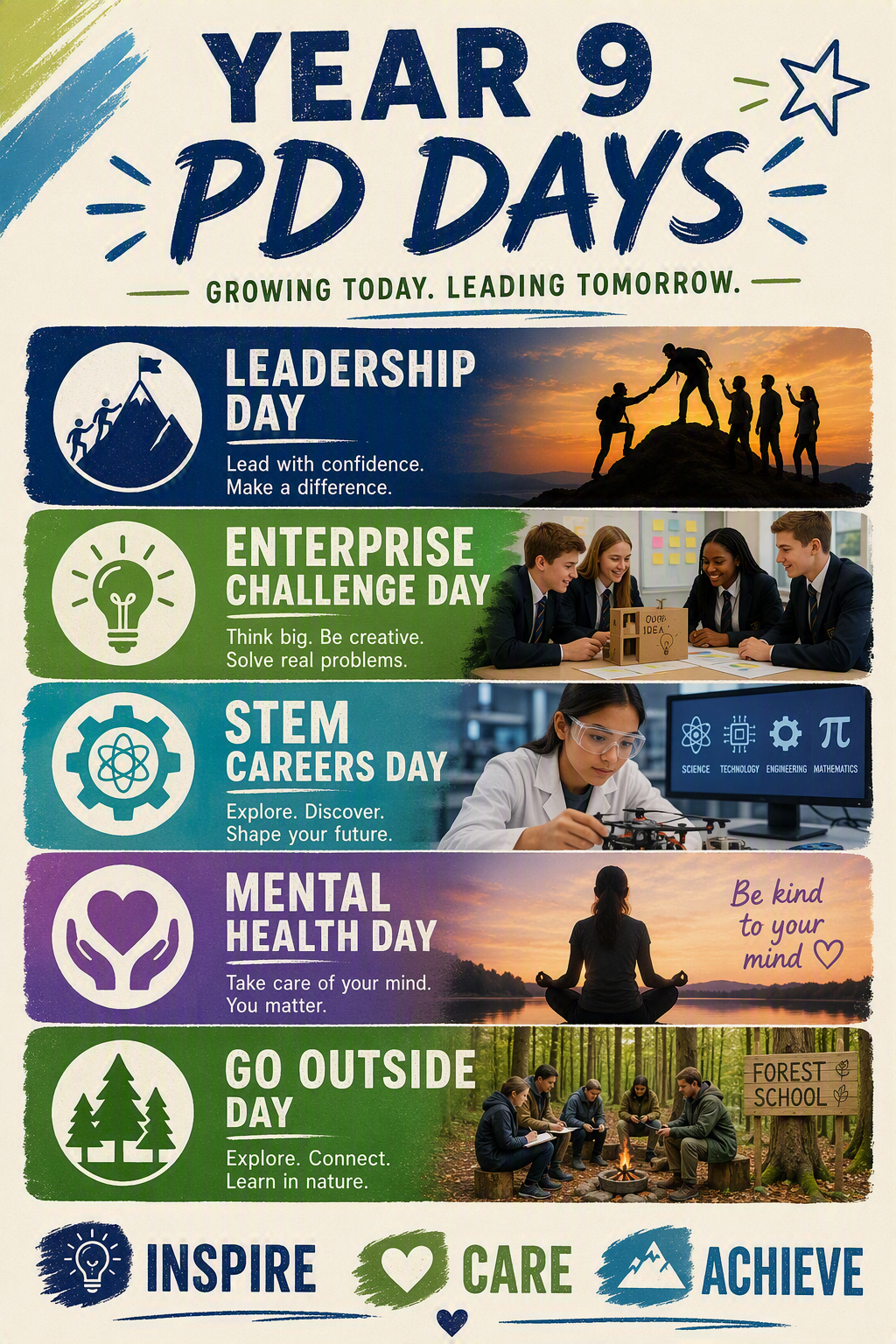
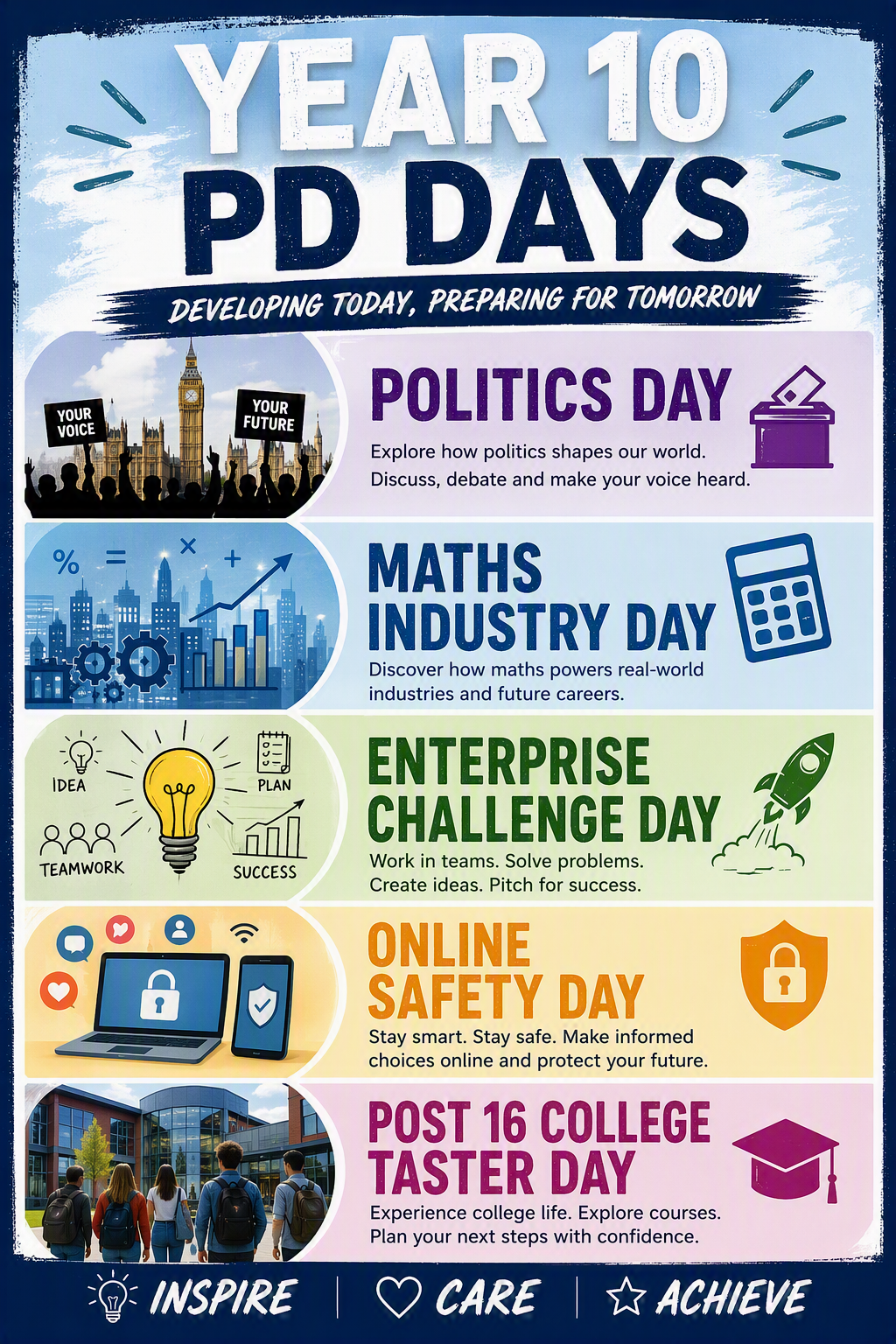
Enrichment is further enhanced through designated PD Days for Years 7–11, which complement the curriculum and are delivered by both internal staff and external specialists. These, alongside enrichment activities, foster enterprise and employability skills.
Form time and House activities play a key role in reinforcing personal development and wellbeing, while our rewards and achievement systems celebrate progress and positive contributions.
Developing Character at GHS
At Greenbank High School, students are encouraged to develop character, confidence, and resilience through a wide range of activities and challenges. Achievement is recognised not only through academic success but also through the demonstration of positive personal qualities such as perseverance and determination. Students are supported in adopting a growth mindset when facing new challenges.
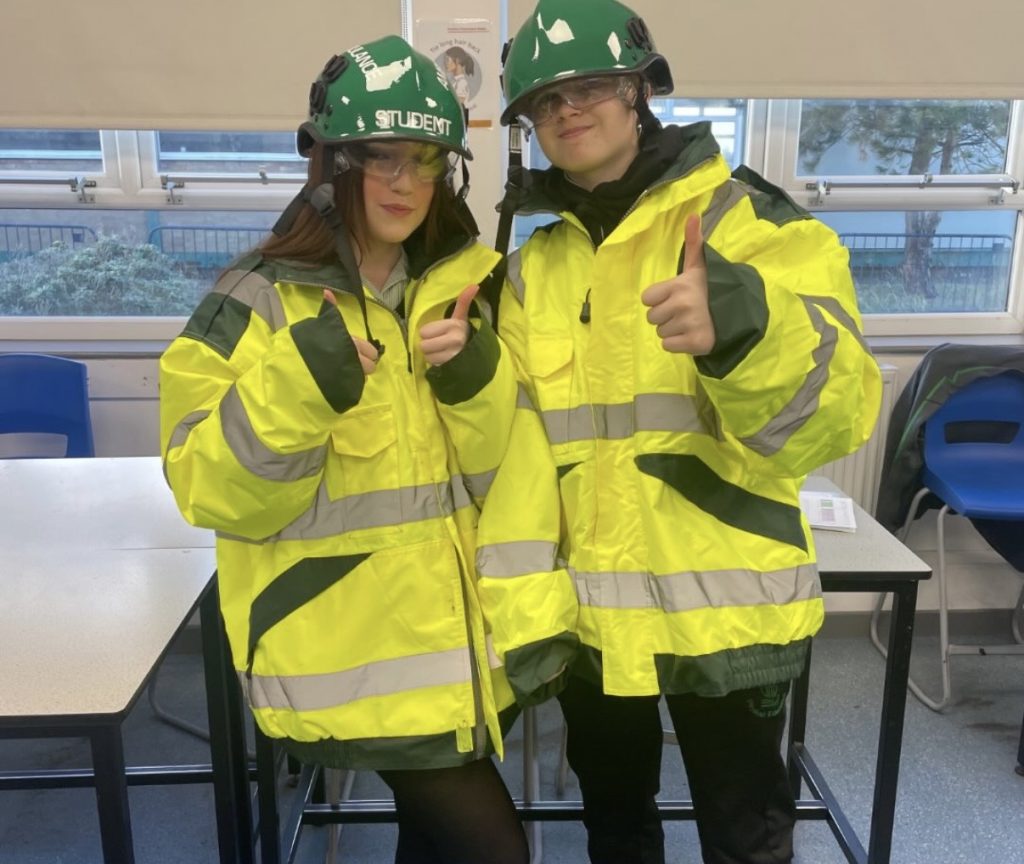
Leadership opportunities—such as roles as Angels, participation in leadership schemes, and involvement in the student council enable students to model positive behaviours. A rich extra-curricular programme encourages curiosity, independence, and a willingness to embrace new opportunities beyond the classroom.
Successes are celebrated collectively through form time, House assemblies, and Headteacher’s Breakfast events, helping to foster a strong sense of community.
Wider Opportunities and Enrichment
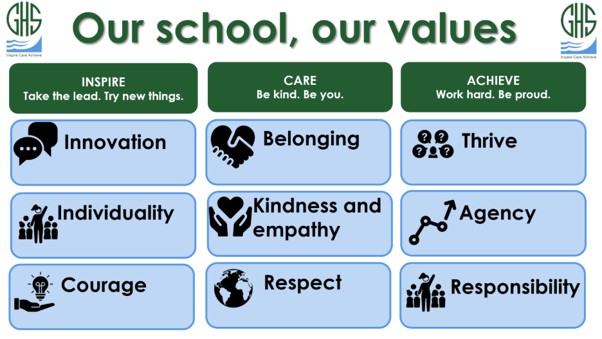
Guided by our motto, “Inspire, Care, Achieve,” we recognise that education extends beyond examinations. We provide a diverse range of opportunities to help students develop personally, build key life skills, and cultivate a lifelong love of learning.
Many students take part in the Duke of Edinburgh’s Award scheme, achieving both Bronze and Silver levels. Events such as Sports Day and the school production also provide valuable opportunities to build confidence, resilience, and teamwork.
Our vibrant House system plays a central role in school life. Each student belongs to one of seven Houses, with House Leaders and Captains organising events such as quizzes, competitions, and talent shows. These activities promote teamwork, leadership, and a strong sense of belonging.
Extra-Curricular and Enrichment Opportunities
We offer a wide-ranging and inclusive programme of extra-curricular activities, including:
- Sports teams and inter-school competitions
- Day trips, cultural visits, and theatre experiences
- Residential trips both within the UK and internationally
Students have opportunities for international travel, including visits to Poland and CERN in Switzerland, while UK-based residentials—such as trips to London—offer adventure and team-building experiences.
Through these opportunities, we aim to broaden horizons, develop independence, and inspire ambition in all our students.
-
PD Curriculum Introduction
Personal Development Curriculum Introduction
Personal Development (PD) is a fundamental part of how schools support pupils in developing their character, wellbeing, values, confidence, and readiness for life beyond school.
Our curriculum is based on the PSHE Association Programme of Study alongside the National Curriculum for Citizenship. Pupils in Years 7–8 and 10–11 receive one lesson per fortnight, while Year 9 pupils have a weekly lesson.
Students explore a broad range of topics through age-appropriate lessons, with sensitive issues approached thoughtfully and with care.
Throughout their time in school, pupils cover the following key areas:
- Fundamental British Values and Citizenship Education
- Social, Moral, Spiritual and Cultural (SMSC) Education
- Personal, Social, Health and Economic (PSHE) Education, including Relationships and Sex Education (RSE)
- Careers and Living in the Wider World
Overall, the Personal Development curriculum equips pupils with the knowledge, skills and understanding they need to make informed choices, build positive relationships and become confident, responsible members of society.
https://pshe-association.org.uk/guidance/ks1-5/programme-of-study
Relationships and sex education (RSE) and health education – GOV.UK
See RSE policy for further information.
-
PD Curriculum - Year 7
Year 7 Personal Development Curriculum
The Year 7 curriculum covers a range of key topics. Students will begin by exploring the transition to high school and developing an understanding of their own identity. They will learn about consent, setting boundaries, and what makes healthy relationships, as well as the diversity of family structures and how to resolve conflict appropriately.
The course also addresses the impact of bullying and cyberbullying, promotes healthy use of social media, and teaches students how to stay safe online, including understanding the risks of grooming and catfishing.
Students will explore the importance of good hygiene during puberty, including menstruation, and develop awareness of the risks associated with FGM. The curriculum then moves on to threats to physical health, with a focus on smoking, vaping, and alcohol.
In addition, students will be introduced to financial education, learning what borrowing money means, the different types of borrowing, and how financial situations can impact mental health. They will also build their understanding of issues related to gambling.
Our curriculum and examples of resources are below:
Lesson 4 Healthy relationships
-
PD Curriculum - Year 8
Year 8 Personal Development Curriculum
Year 8 students will develop an understanding of what constitutes a healthy relationship, how to stay safe online, and the effects of social media on body image and mental health. They will also explore emerging risks linked to AI chatbots, misinformation, and deepfakes.
The curriculum will cover topics such as body shaming, body dysmorphia, the growing popularity of cosmetic and aesthetic procedures, and how body image can influence mental health. Students will also learn to recognise the signs and triggers associated with eating disorders.
In preparation for choosing their GCSE options, students will explore different career pathways. They will also learn how drugs are classified under UK law and examine the risks associated with substances such as ketamine, cannabis, and nitrous oxide, alongside understanding the dangers of county lines drug dealing.
Additionally, students will explore key British values, including respect, tolerance, and individual liberty. They will study issues such as stereotypes, immigration, diversity, and inclusion, and consider the impact of extremism and racism in the UK.
Our curriculum and examples of resources are below:
-
PD Curriculum - Year 9
Year 9 Personal Development Curriculum
Year 9 students will explore the key elements of healthy relationships, including consent, personal boundaries, and how to recognise warning signs. They will develop practical strategies for coping with relationship changes and loss.
The RSE unit begins with an introduction to fertility and how it changes over time. Students will then examine different methods of contraception and learn about the risks linked to sexually transmitted infections (STIs). They will also consider the implications of unplanned pregnancy, including the options available, how to maintain a healthy pregnancy, and how to ensure a safe delivery. In addition, students will explore the diversity of family structures and the challenges that teenage parents may face.
Students will investigate why some individuals share nude images and consider the legal, emotional, and social consequences. This includes understanding the law surrounding indecent images, recognising the impact on others, and learning how to report and prevent image sharing. They will also explore grooming, identify fake profiles, and develop strategies to protect themselves and others from grooming and catfishing.
The course will address sexual harassment, helping students understand what it is and how to prevent and respond to it. Students will also learn how to stay safe in the community and will examine stress, including common triggers and effective coping strategies. The topic of self-harm will be covered sensitively, exploring what it is, why some individuals may engage in such behaviours, and where to seek support.
Financial education is another key focus. Students will explore different methods of payment, loans, and the risks associated with debt. They will learn how to budget effectively, compare the advantages and disadvantages of renting versus mortgages, understand various types of credit, and consider ways to manage payments responsibly.
Students will also examine the links between addiction and crime, as well as develop an understanding of Child Sexual Exploitation (CSE) and Child Criminal Exploitation (CCE), including the risks associated with county lines. They will explore how gangs recruit young people and the dangers involved, alongside learning about joint enterprise and its legal implications. In addition, students will study what constitutes a hate crime and the laws that address it.
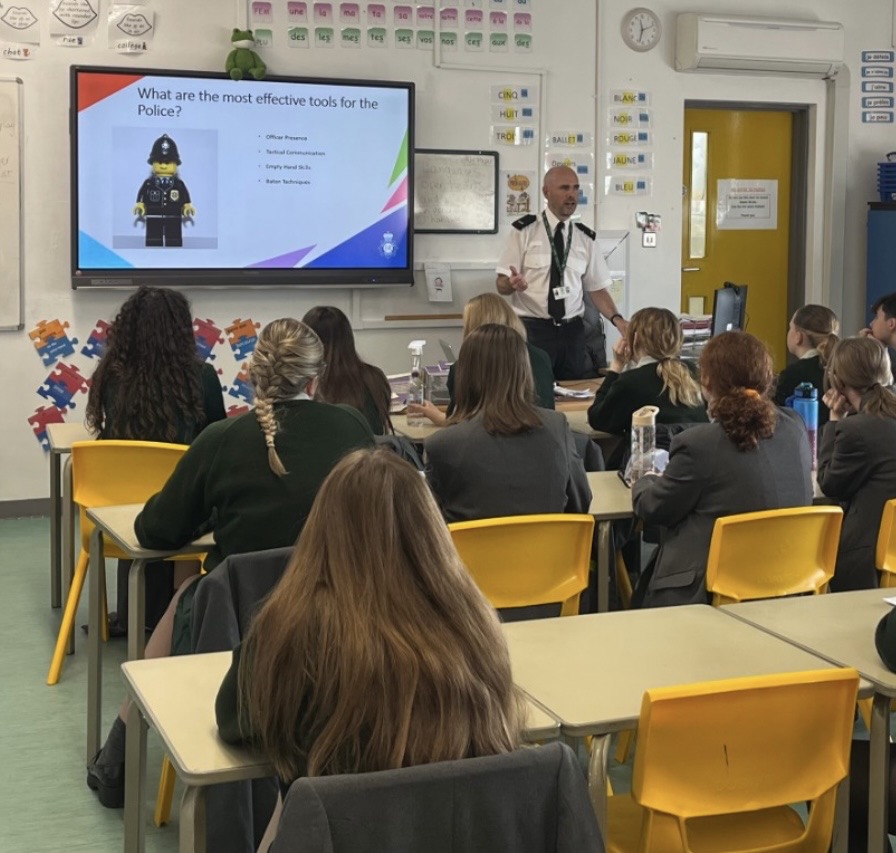
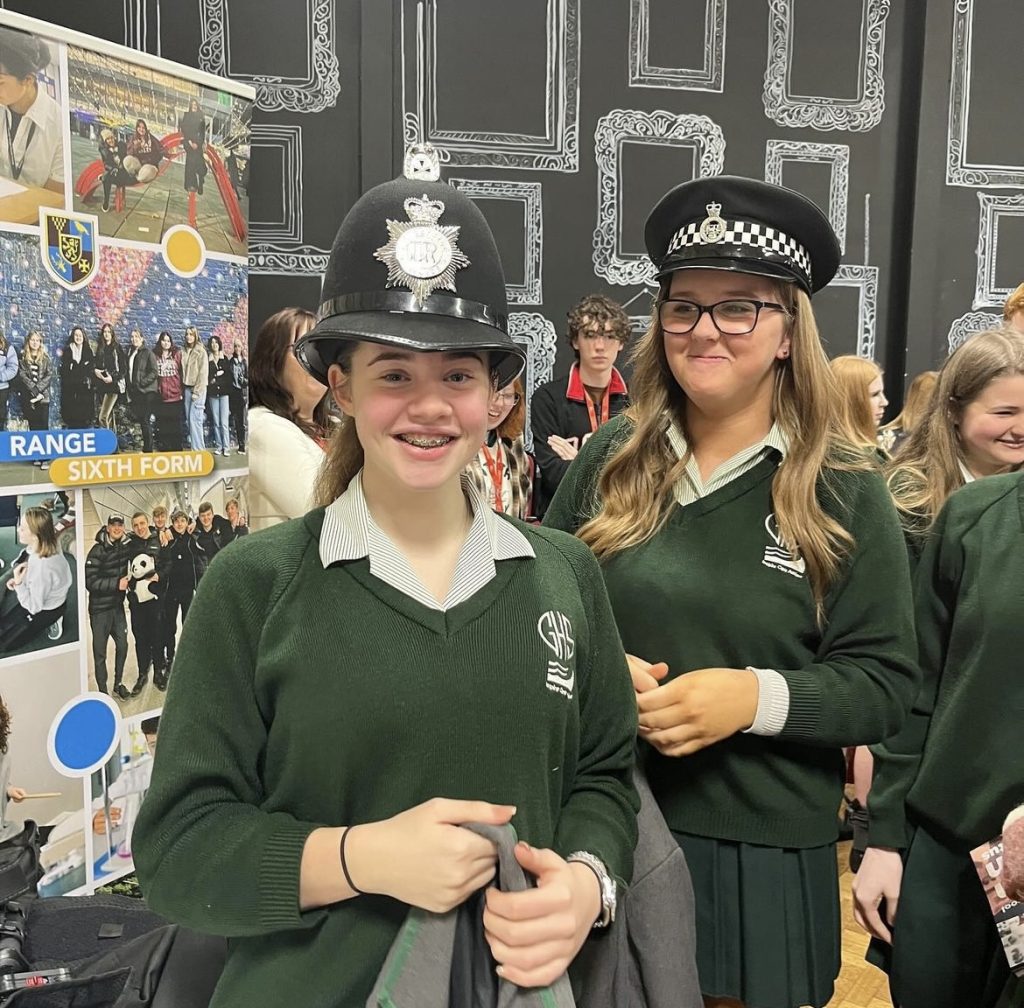
Finally, Year 9 students will explore how and why the UK is a diverse society and consider the impact of politics on everyday life. They will learn how the UK political system operates, including the role of local government, the monarchy, and the influence of the media, as well as the risks of misinformation. The course will also explain why laws are necessary, how a bill progresses through Parliament, and how the criminal justice system works, including the role of the police.
Our curriculum and examples of resources are below:
-
PD Curriculum - Year 10
Year 10 Personal Development
Year 10 will explore healthy relationships, including consent, resisting pressure, and recognising grooming and coercive control. They will learn how to stay safe, identify harmful behaviours, and access appropriate support. The curriculum will also cover LGBTQ+ inclusion, the laws relating to homophobia, biphobia and transphobia, as well as respect, hate crime, and strategies for coping with loss, change, bereavement, and the end of relationships.
Students will examine factors that affect fertility and how it changes over time, alongside menstrual conditions such as endometriosis and PCOS, and the symptoms of gynaecological cancers. They will learn about breast self-examination, the importance of smear tests and mammograms, the risks of self-diagnosis, and will revisit contraception, sexually transmitted infections (STIs), and available healthcare support.
In addition, Year 10 will study the law relating to drugs, their effects on mental health, and their links to risky behaviour, including a case study on MDMA. They will also explore what constitutes anti-social behaviour, its possible causes, and the support available to victims.
Students will develop an understanding of the purpose and benefits of work experience, explore common workplace health and safety practices, and gain insight into the expectations placed on them during placements.
Finally, Year 10 will learn about the implications of debt and the different types that exist. They will be introduced to budgeting, how the government is funded, their role in paying taxes, and their consumer rights, including what to do if these rights are not upheld.
Our curriculum and examples of resources are below:
-
PD Curriculum - Year 11
Year 11 Personal Development
Year 11 students will explore their post-16 pathways, including the range of qualifications available to them. They will examine key social and personal issues such as consent and exploitation, develop an understanding of stalking and how to seek support, and consider concepts including misogyny and incel culture. Students will also learn about honour-based abuse and how to stay safe online, with a focus on risks such as phishing, scams, and the dark web.
In addition, students will learn how to navigate the healthcare system, understand the importance of sleep and its links to stress, and explore the causes of self-harm alongside where to access help. They will also consider the potential risks associated with the misuse of prescription drugs.
Students will further develop their understanding of body enhancement, evaluating its advantages and disadvantages. They will learn about the legal age for various activities, understand how to respond if they are a victim of crime, and examine how criminal behaviour can impact their future. Finally, they will explore the arguments for and against lowering the voting age to 16.
Our curriculum and examples of resources are below:
Lesson 6&7 Sexism and Misogyny
-
PD Days
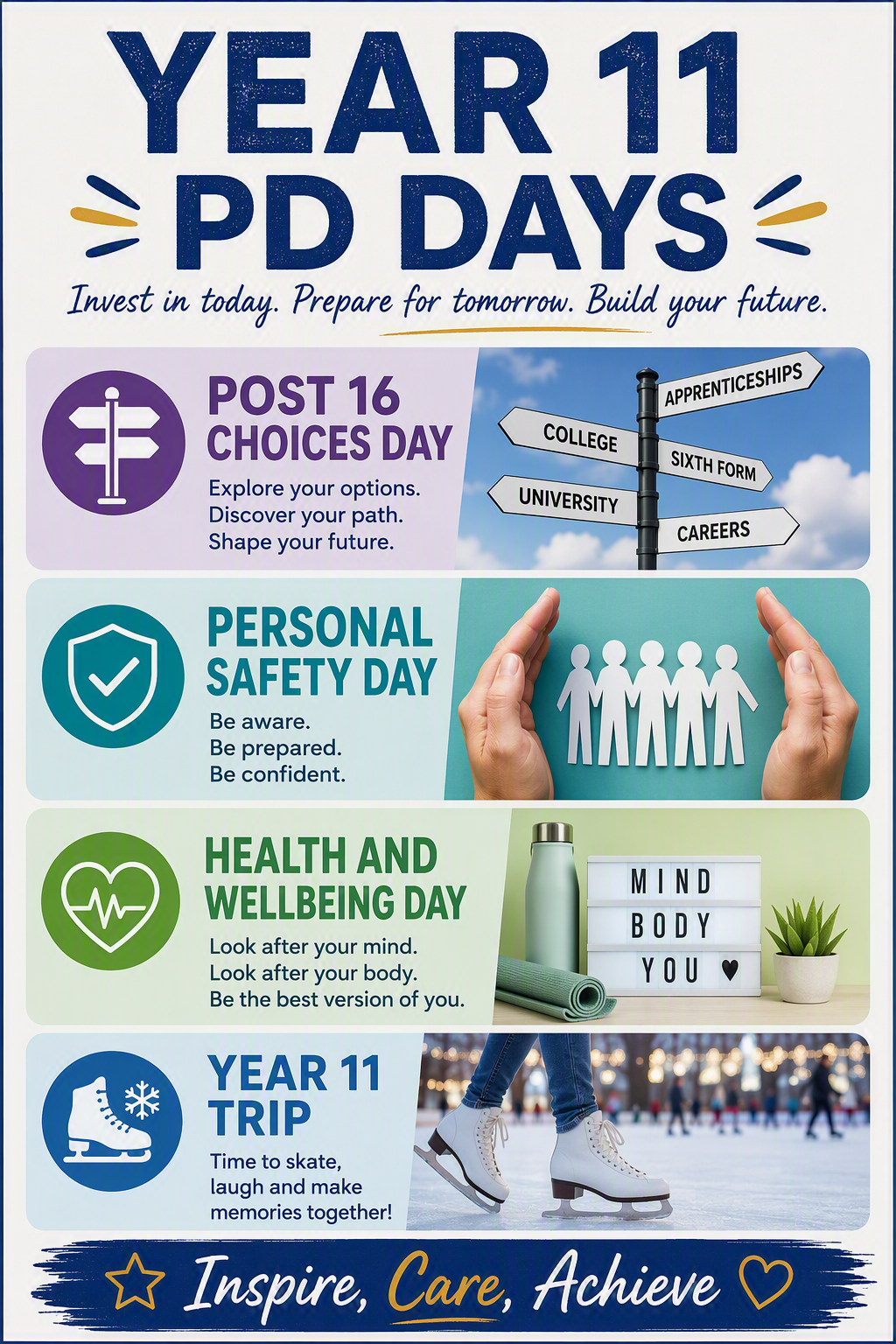
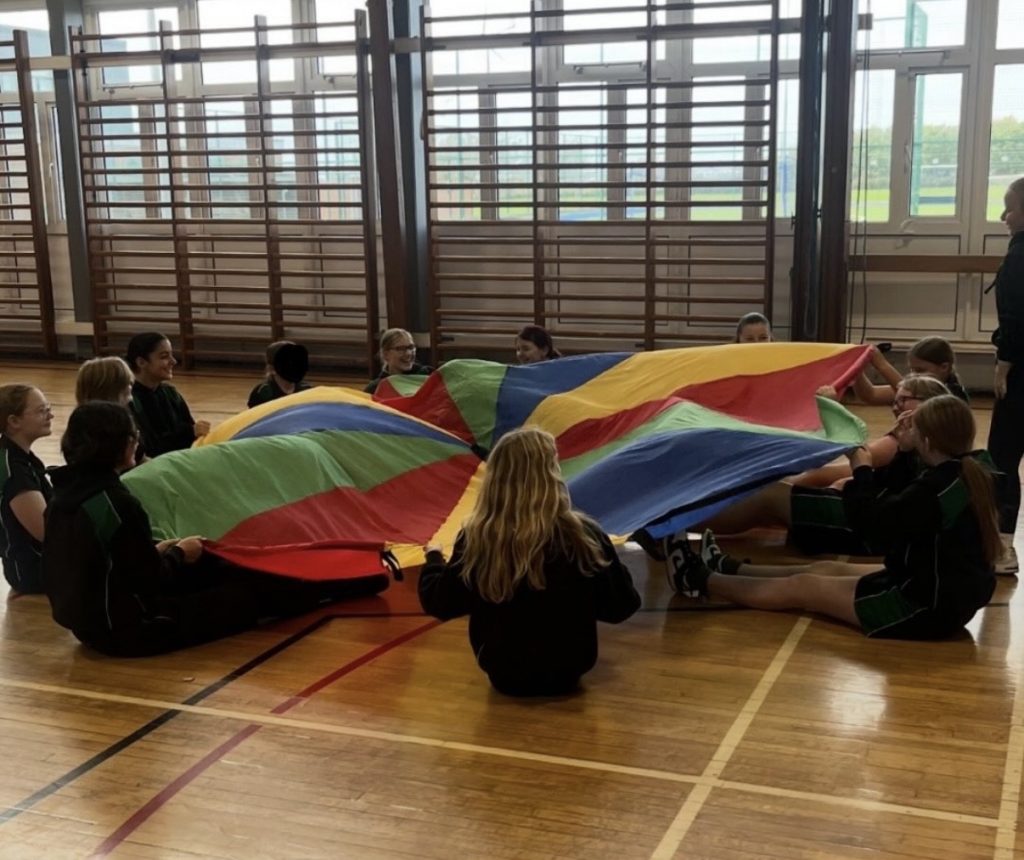
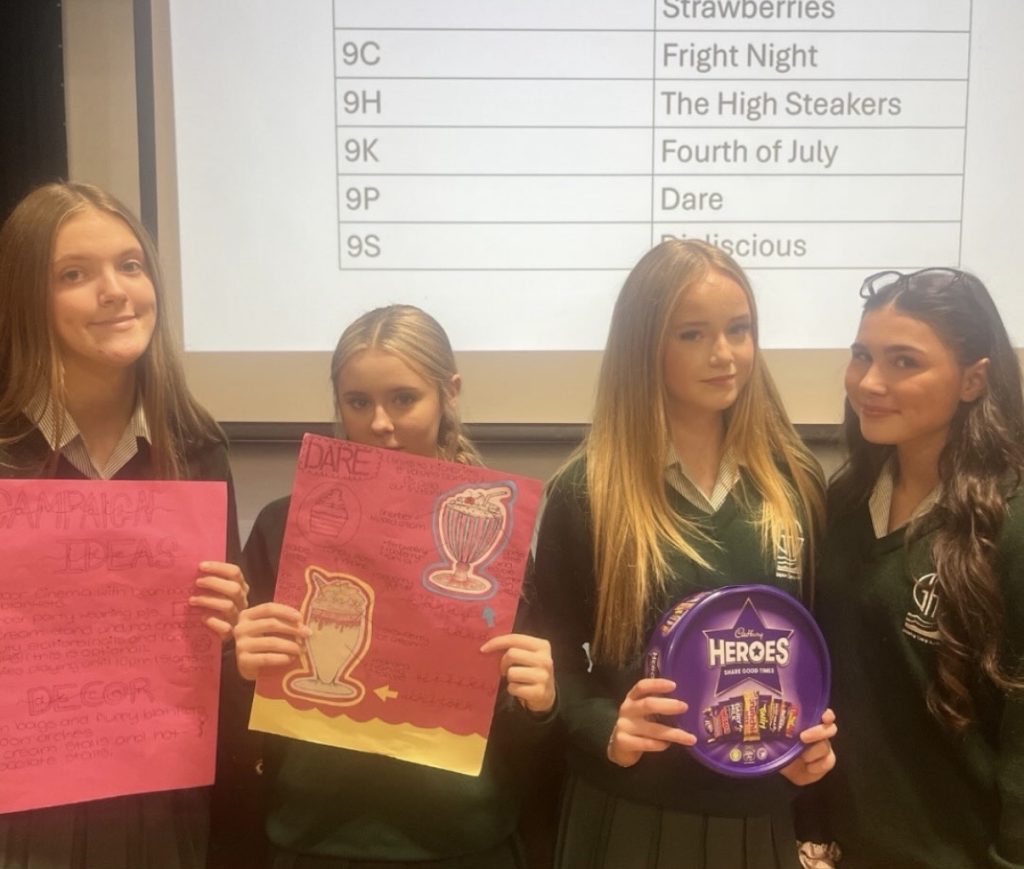
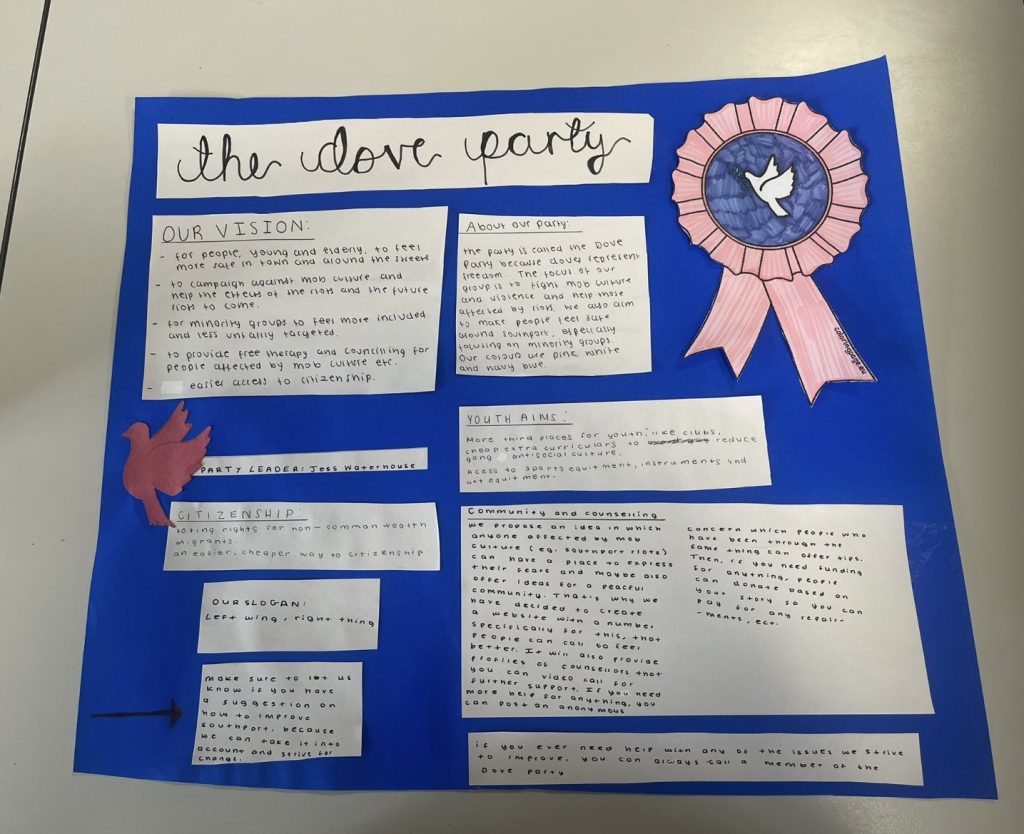
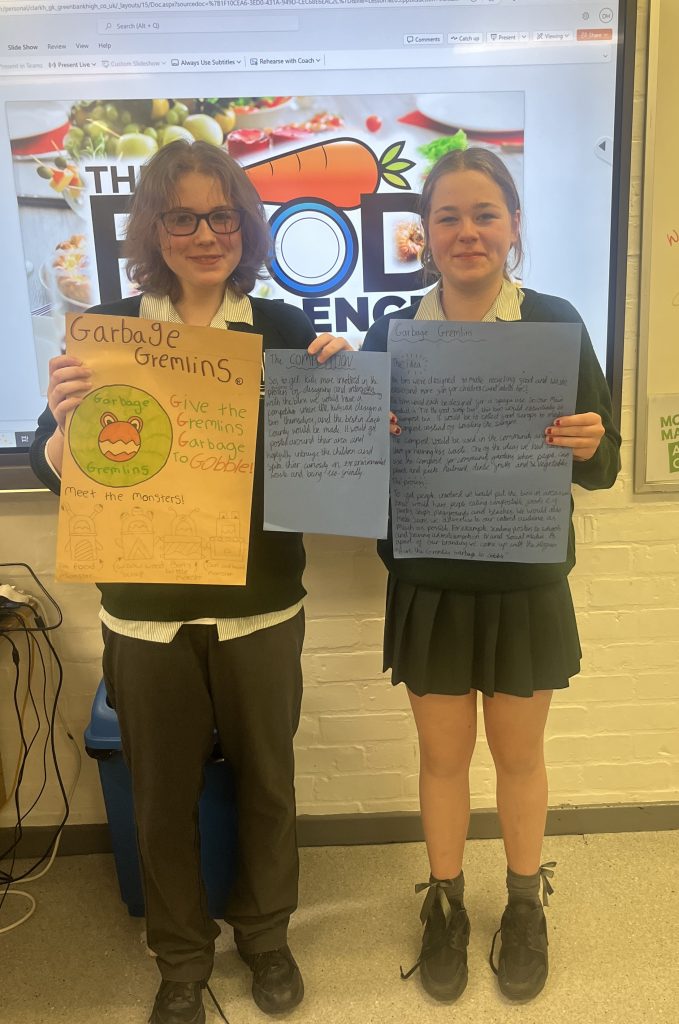
There are five PD days scheduled throughout each school year. These days are designed to enhance the academic curriculum while also providing students with valuable opportunities beyond the classroom that they might not otherwise experience. They also support the wider PD programme, with themed days focusing on areas such as Careers, Health and Wellbeing, RSE, and Citizenship.
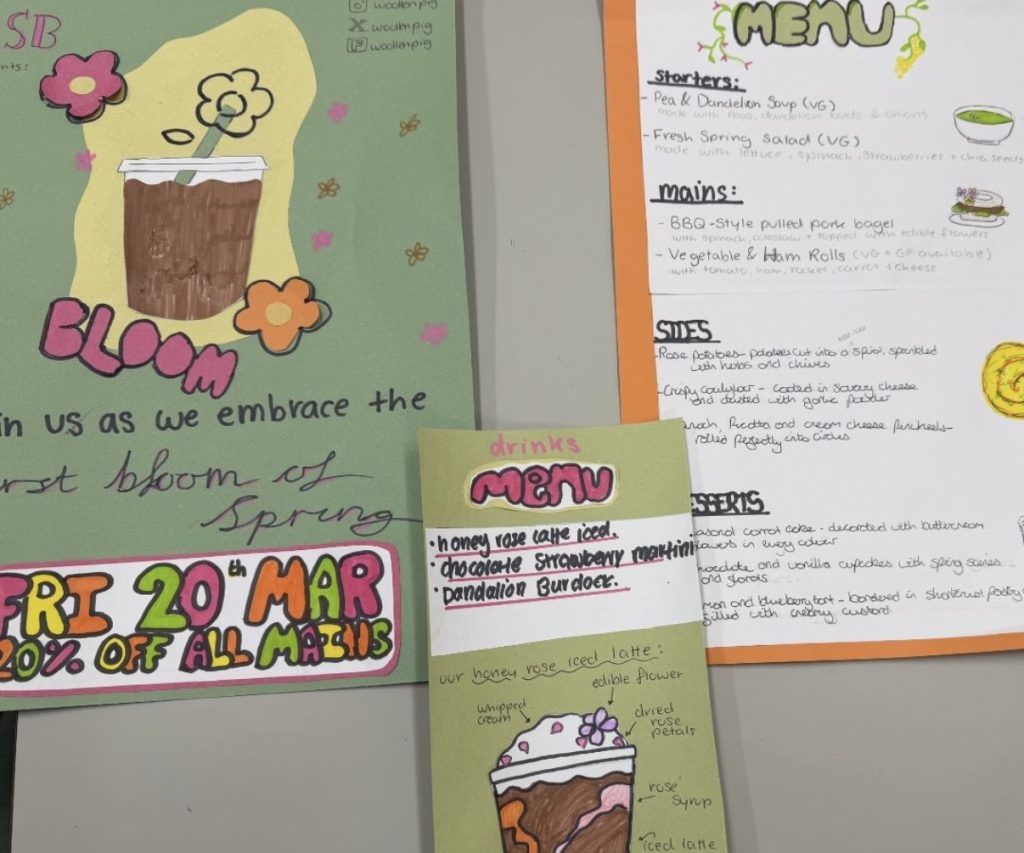
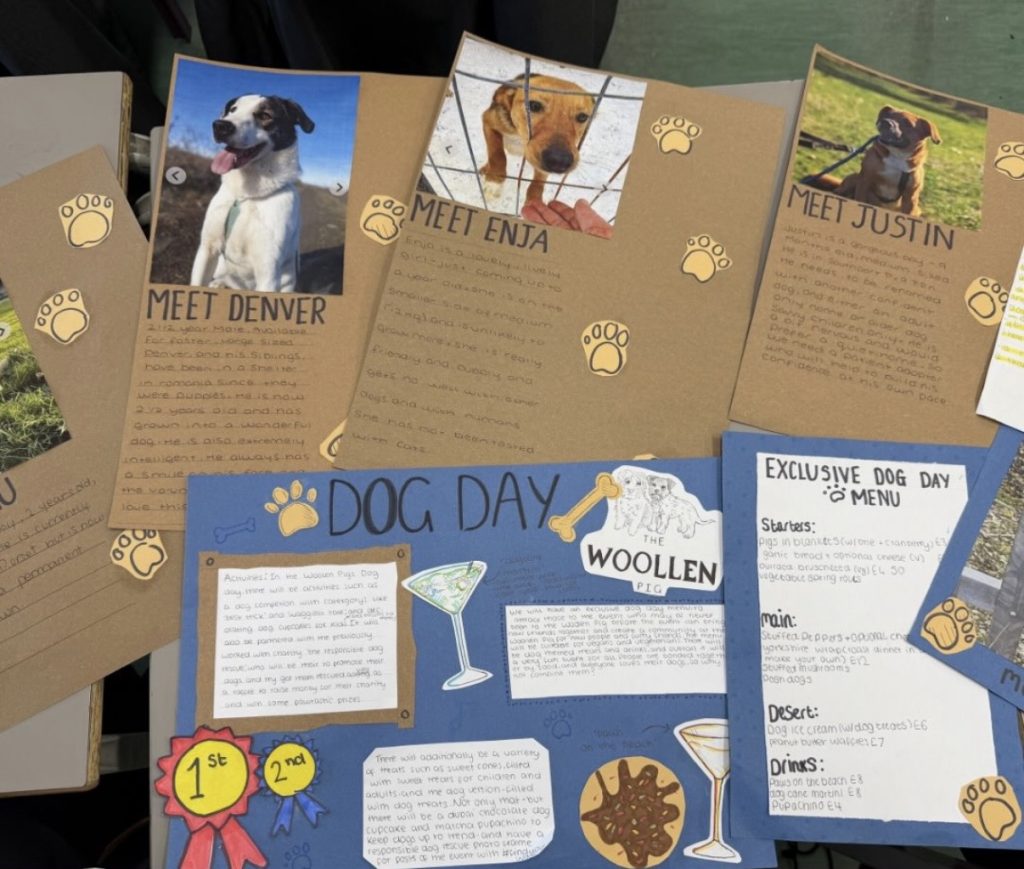
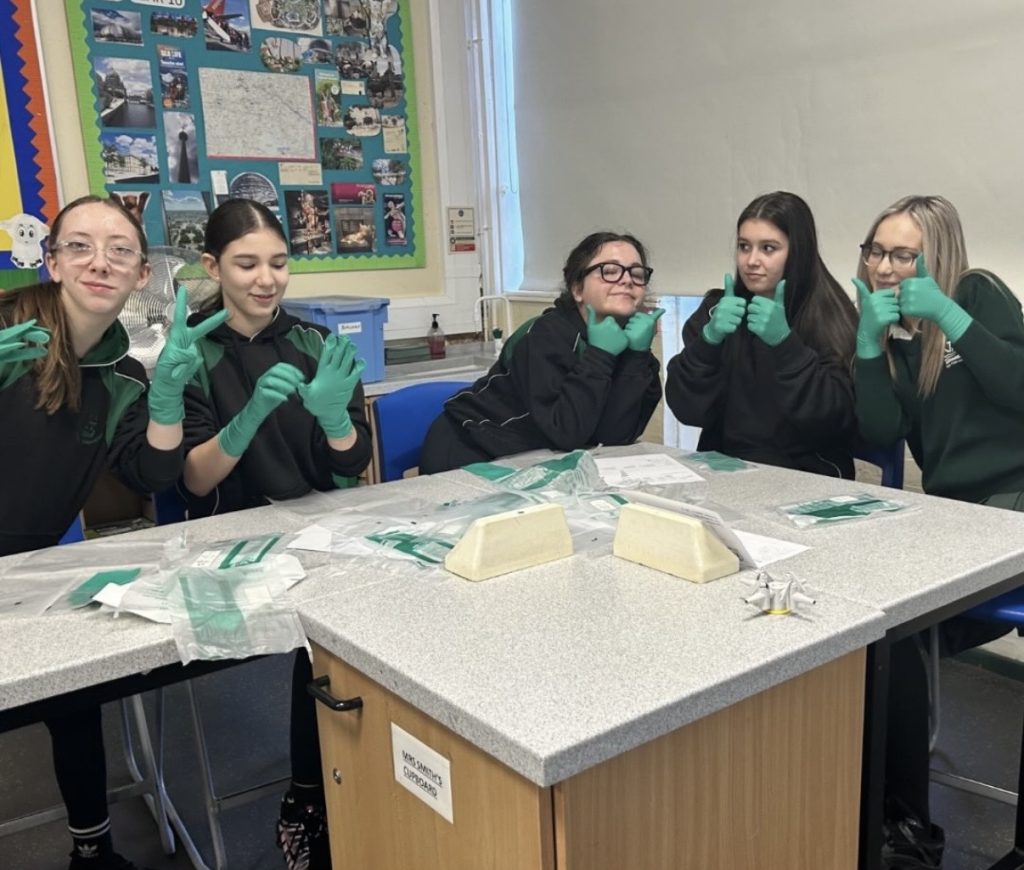
Enrichment activities include educational visits, guest speakers, and interactive workshops. Students also take part in enterprise opportunities linked to the Gatsby Benchmarks, such as setting up community projects, working with local businesses, and developing essential career skills.
At Key Stage 4, students are given opportunities to visit colleges and universities, as well as receive valuable guidance on post-16 pathways and the skills needed for their future.
Please see below for quotes from the pupils about their experiences on enrichment days:
‘In years 7-9 PD Days help build confidence and in years 10 and 11 they help prepare you for your exams and after’
‘I like that on PD Days you never do the same thing twice!’
‘Visits are good because we get to go see and experience things rather than just learning about them in school’
‘The dance day was my favourite because I enjoyed it and it gave me a taster of what GCSE dance would be like’
‘Enterprise days are definitely the best Enrichment Days’
‘ Industry Day was good because you learnt a lot and developed skills like team work’.
Screenshot
Screenshot
Screenshot

Screenshot
Screenshot
Screenshot
Screenshot

Screenshot
Screenshot
Screenshot
-
PDT
Click here to view the PDT Calendar
Personal Development Time (PDT) takes place each morning and is underpinned by our commitment to relational and restorative practice and the development of an Inclusive Learning Culture (ILC). It provides a structured, supportive start to the day, built around a consistent model of check-in, check-up, and check-out.
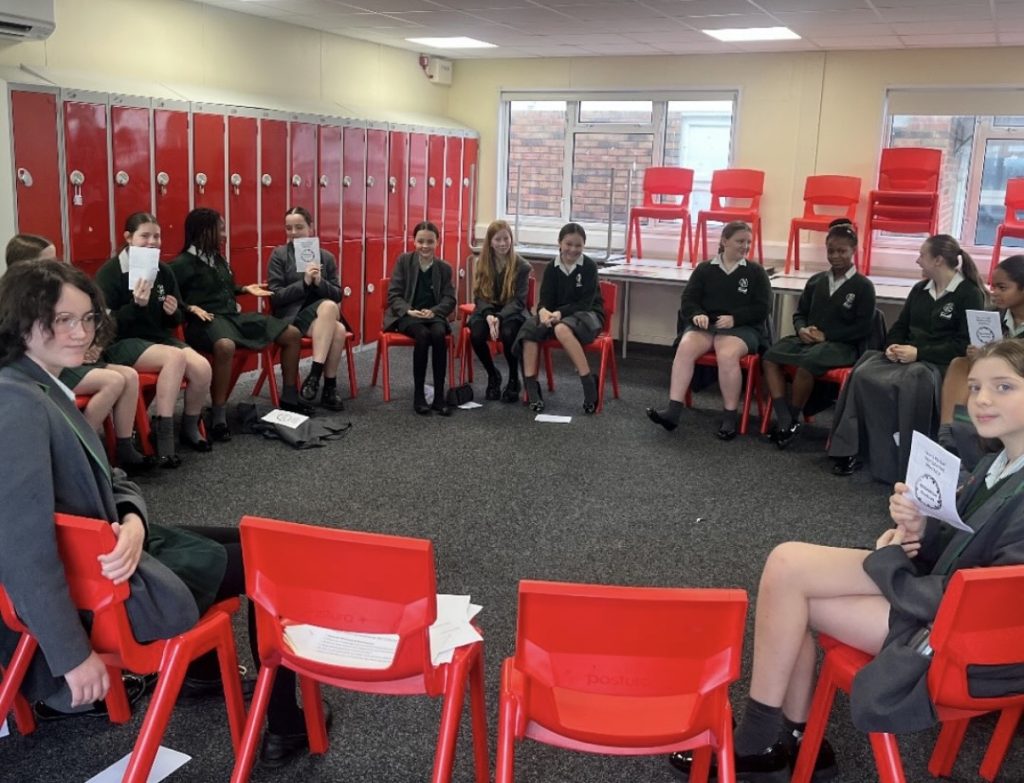
A central feature of this approach is the whole-school check-in each Monday, delivered through circle time. Pupils meet with their form tutor alongside another member of staff, reinforcing our community-based approach. This strengthens relationships, promotes pupil voice, and fosters a strong sense of belonging.
Across the week, PDT focuses on ensuring pupils are prepared for learning through a structured daily check-in using the READY framework:
- R – Register and attendance follow-up
- E – Equipment check
- A – Any concerns?
- D – Dressed correctly
- Y – Your day ahead (notices, priorities, and goal setting)
This supports both emotional and academic readiness, ensuring pupils feel secure, supported, and ready to engage.
Values, Citizenship and Community
Our PDT programme is strengthened through a coherent set of activities that promote personal development, citizenship, and community cohesion:
- A monthly value, which underpins our culture
- A fortnightly focus, allowing deeper exploration of key themes
- Greenbank Highlights – our “Values in Action” round-up, celebrating pupils and staff who exemplify our values
- Greenbank TV, sharing key messages, celebrating success, and building a strong sense of identity
A key element of PDT is the focus on current affairs, where pupils engage with local, national, and international issues. Through this, meaningful discussion is encouraged, enabling pupils to develop informed viewpoints and a deeper understanding of the world around them. This work directly supports our citizenship provision, helping pupils to become active, responsible members of society.
In exploring current affairs and wider themes, pupils also develop a clear understanding of British values, including democracy, the rule of law, individual liberty, and mutual respect and tolerance. These discussions encourage critical thinking, respectful dialogue, and an appreciation of diversity, ensuring pupils develop as well-rounded, informed individuals.
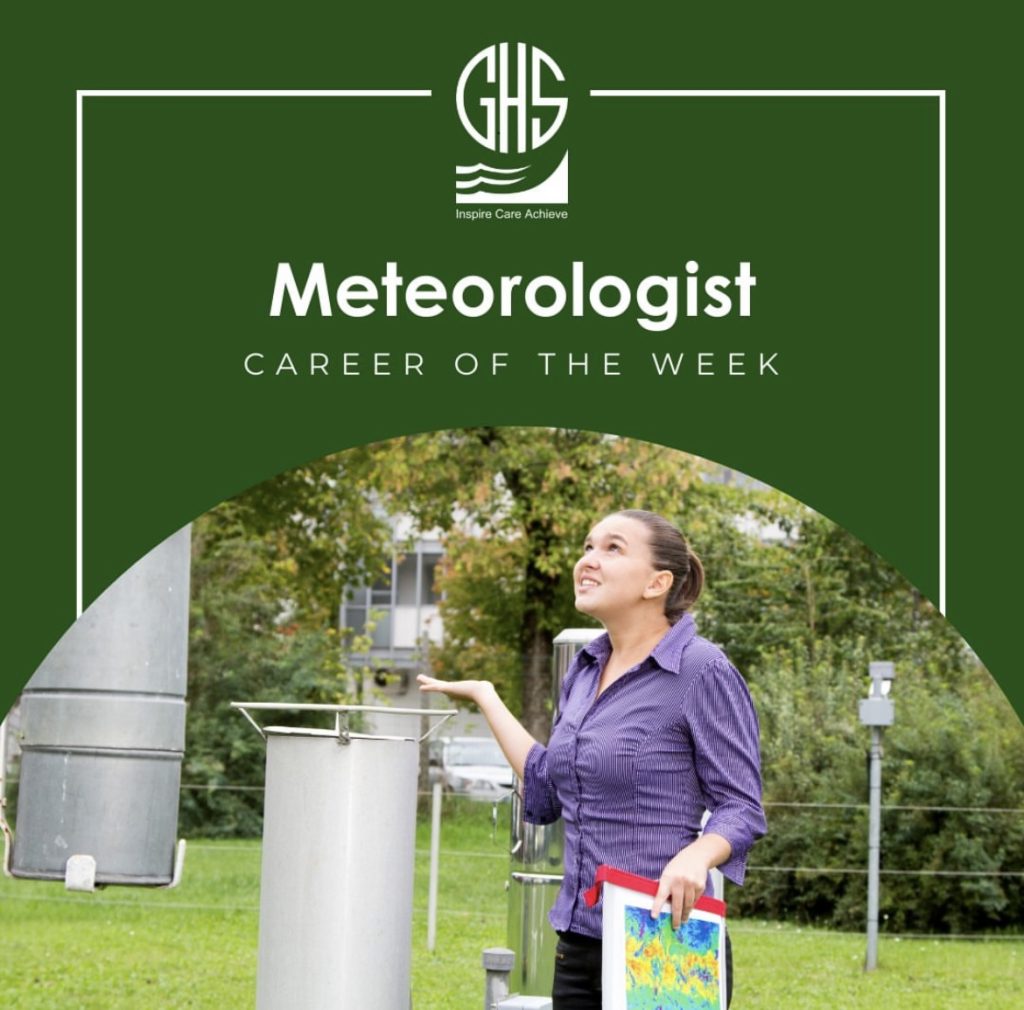
Greenbank Highlights (Values in Action) further reinforces this by recognising how pupils demonstrate these values in everyday school life, while also featuring a career spotlight linked to the Gatsby Benchmarks, supporting awareness of future pathways.
Additional opportunities such as House events, quizzes, and initiatives like Walking Wednesdays further enhance our inclusive and supportive community.
Assemblies and Student Leadership
Assemblies are a key part of our PDT programme. Assemblies are delivered by a range of staff, including Heads of Year, Senior Leadership Team members, and Heads of Subject, ensuring a wide range of perspectives and expertise. External visitors and alumni are also an important part of our provision.
We place strong emphasis on student voice and leadership, with pupils actively leading assemblies, supported through initiatives such as Voice 21 and our House system. This develops confidence, communication skills, and leadership capacity, strengthening our community further.


-
Extra Curricular
At Greenbank, we offer a wide range of clubs designed to appeal to the diverse interests and talents of all our students. We strongly encourage every pupil to get actively involved in school life, as this provides a fantastic opportunity to work as part of a team and build new friendships. Taking part in clubs also allows students to experience the broader life of the school and supports our commitment to educating the ‘whole child’—developing body, mind, and spirit. This is a key element of our personal development provision.
We believe that a successful school journey is about more than just achieving academic qualifications. We value the full experience our students gain during their time here and recognise that participation in extracurricular activities plays a vital role in helping them grow into happy, healthy, and well-rounded individuals. Our clubs and activities span a wide variety of areas, including sport, science, art, cooking, and drama. We are always open to new ideas and welcome student suggestions; if there is something we do not currently offer, we will do our best to make it possible.
In addition, we provide a broad programme of day trips and residential visits. Recent trips have included visits to CERN in Geneva, Auschwitz-Birkenau in Poland, Lille and Paris in France, and our partner school in Ghana. Closer to home, students have enjoyed day visits to museums, exhibitions, and places of interest such as the Yorkshire Sculpture Park and Chester. The Duke of Edinburgh Award is also very popular, with many pupils successfully completing both Bronze and Silver levels.
-
Pupil Voice
Pupil Voice
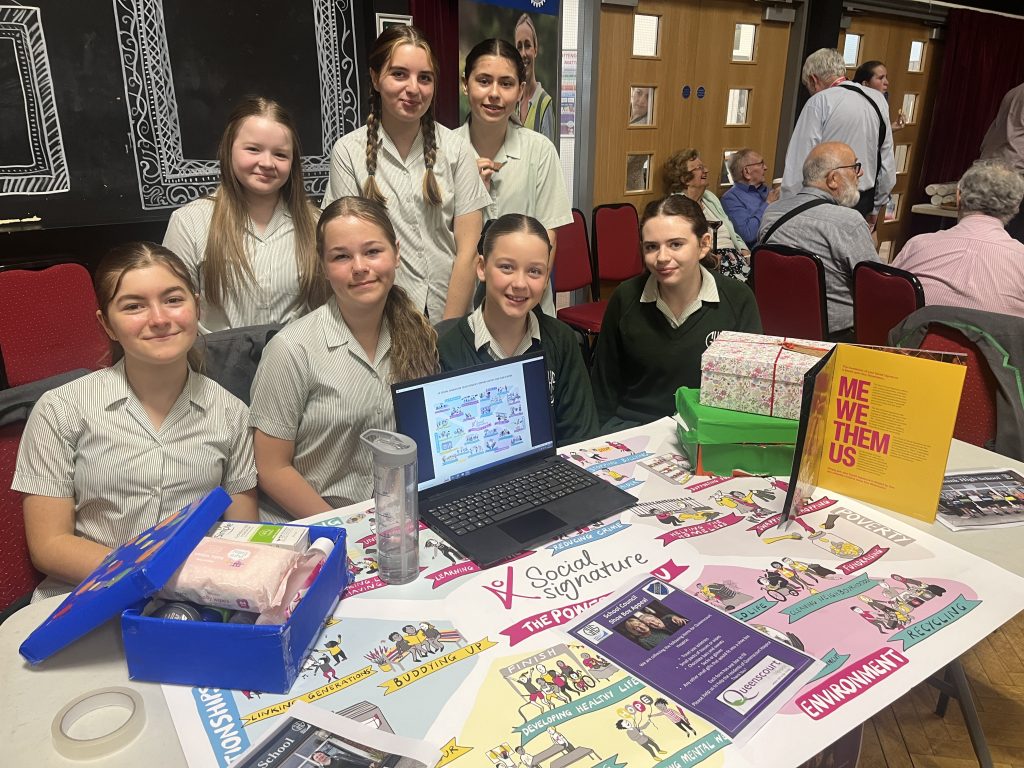
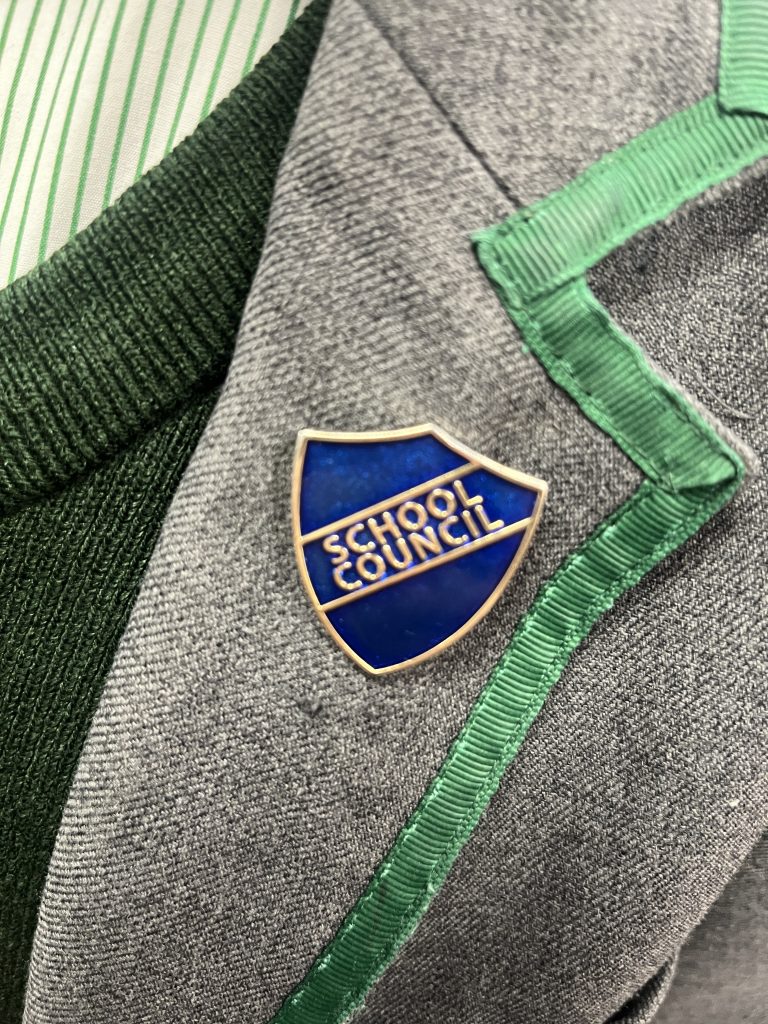
The School Council meets every half term to discuss a range of issues and to promote our work on British Values. Each form elects a representative, ensuring the council includes pupils from all year groups and reflects a broad range of views and opinions.
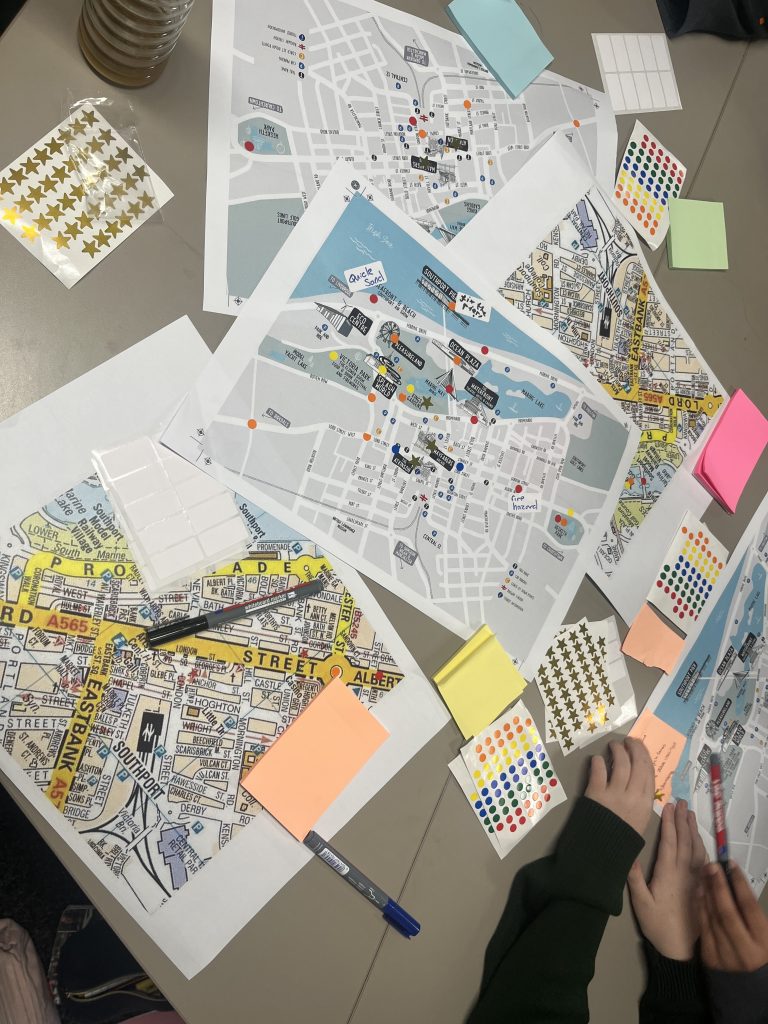
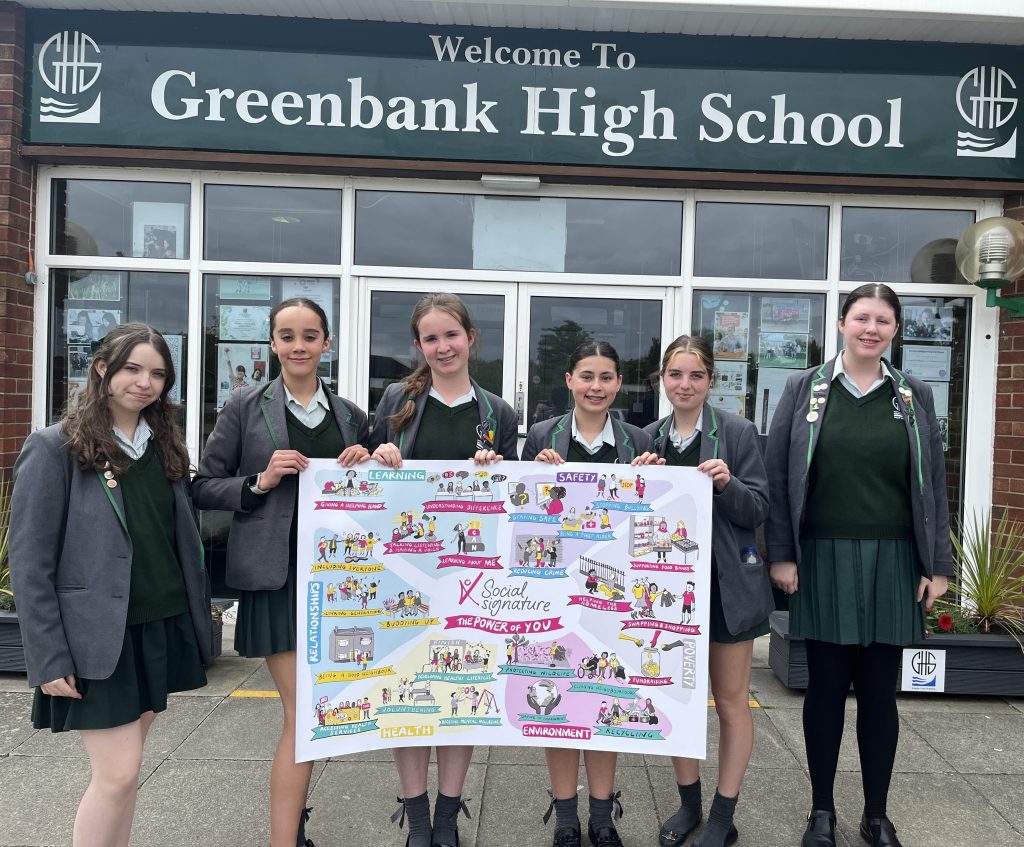
The council has collaborated with Sustrans to improve road safety around the school, including supporting the ‘School Street’ project, and has worked with the Windmills Foundation to develop the school’s ‘Social Signature’ initiatives.
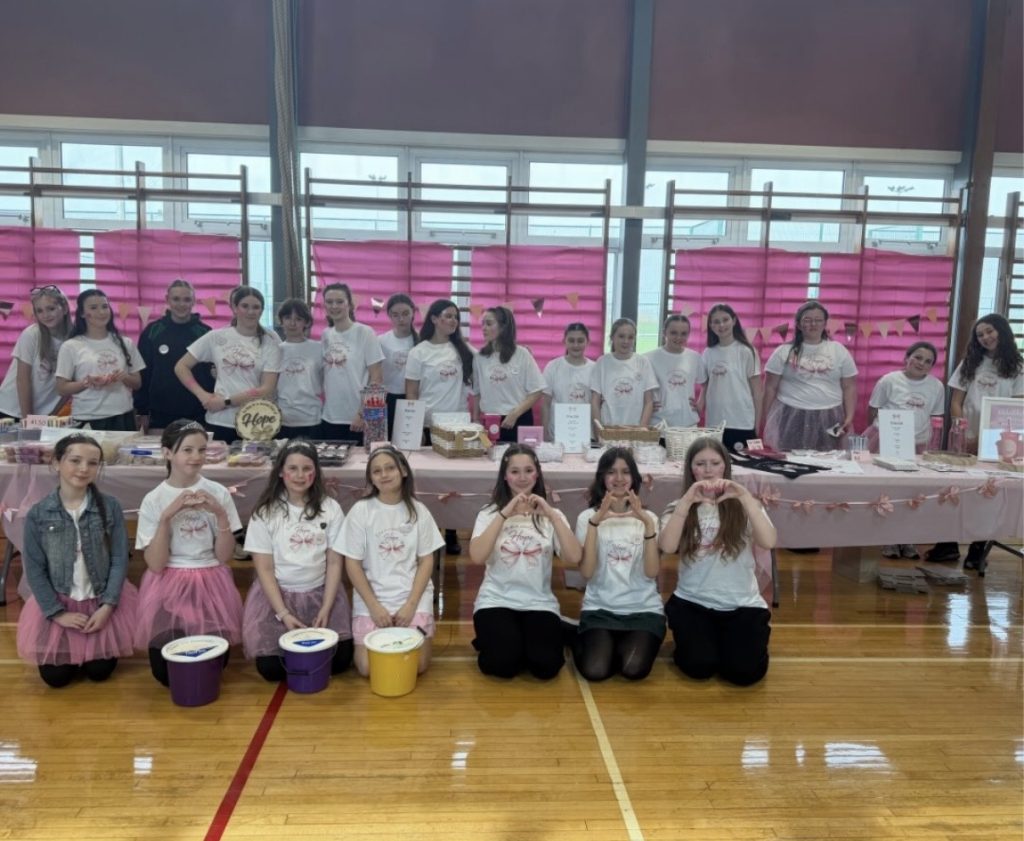
Each year, the council supports a chosen charity. They have previously provided shoeboxes of toiletries for Queenscourt Hospice and, more recently, organised a fundraising day for the local charity Hope’s Help.
Charity work extends beyond school council as each of our houses has a chosen charity. Pupils raise money throughout the year through a variety of events including raffles and cake sales.
-
British Values
British Values
Promoting British Values at Greenbank High School
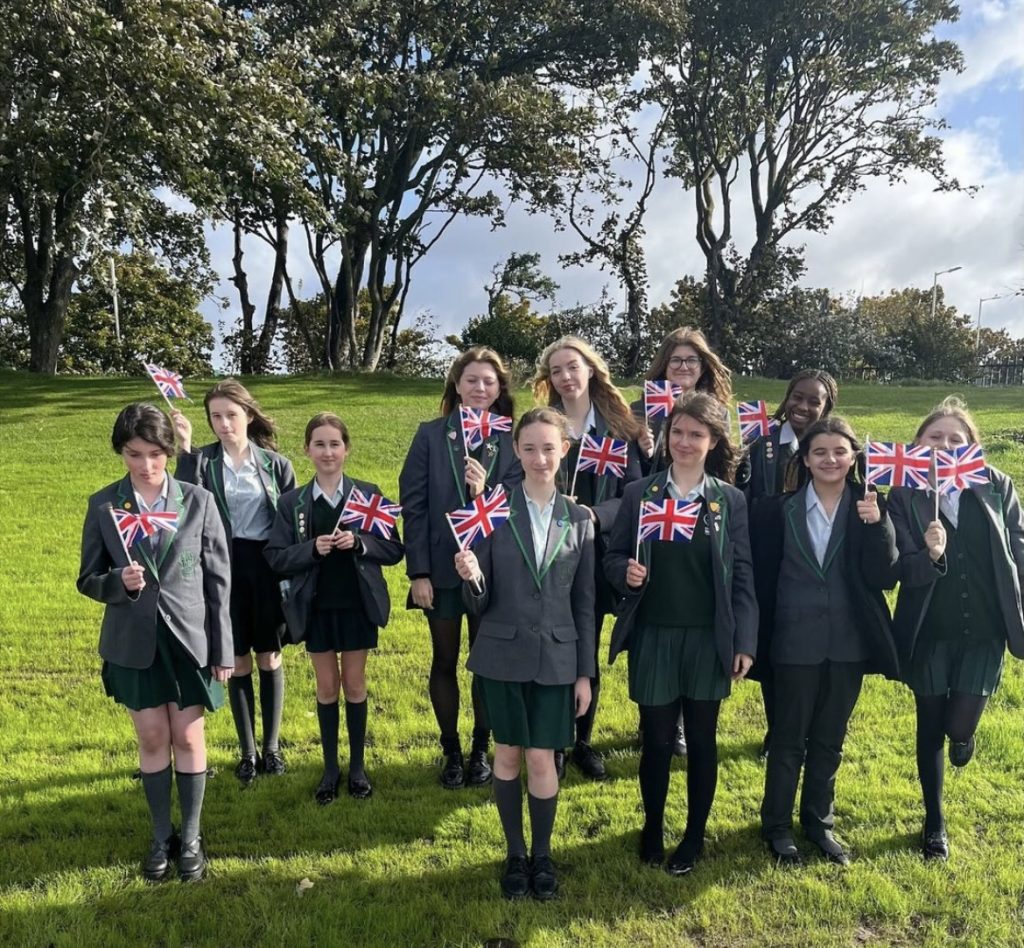
At Greenbank High School, we are committed to developing well-rounded, responsible and engaged young people. Central to this is our promotion of key values that underpin modern British society, including:
- Democracy
- Respect for the rule of law
- Individual liberty
- Mutual respect and tolerance of different faiths and cultures
- Equality of opportunity
- Community participation and social responsibility
These values are embedded throughout school life and form the foundation of our ethos.
Our Ethos: Inspire, Care, Achieve
Our school motto, “Inspire, Care, Achieve,” reflects our commitment to nurturing confident, compassionate and successful students. We encourage all pupils to support one another, aim high, and contribute positively to the school and wider community.
Learning Through the Curriculum
British values are woven throughout our curriculum:
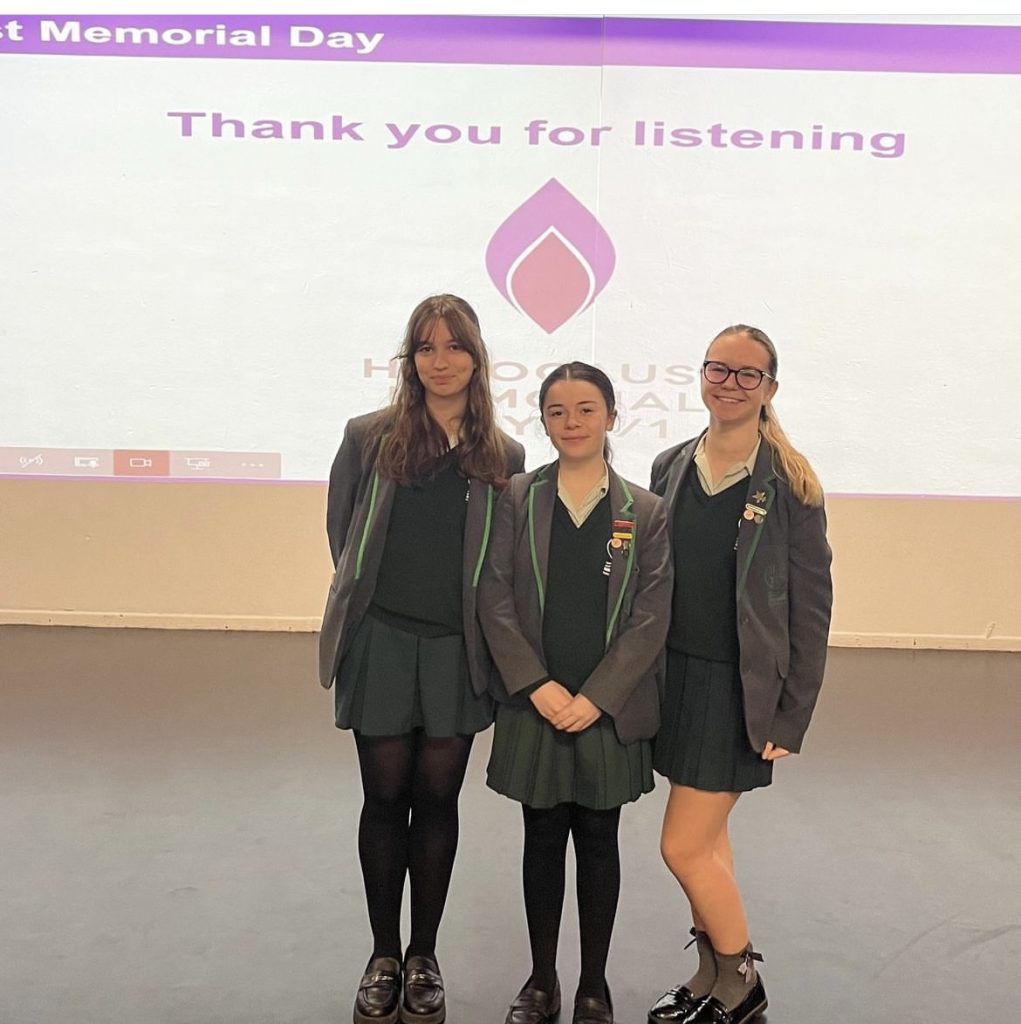
Religious Education (Years 7–11): Students explore world religions, human rights, moral issues, and social justice. Topics such as Rights and Responsibilities, The Holocaust, and Human Rights encourage reflection and understanding.
Personal Development: Explicit teaching of British values, with lessons linked to current issues and cultural awareness.
History & Geography: Students learn about democracy, identity, and key historical movements such as the Suffragettes.
Philosophy: Embedded across subjects, with enrichment opportunities including a Philosophy Club and accreditation in Year 11.
Students also benefit from interactive Personal Development Days, covering topics such as politics, equality and diversity.
Beyond the Classroom
We provide a wide range of experiences to deepen students’ understanding:
Educational visits to the Houses of Parliament, United Nations, and Auschwitz-Birkenau
Participation in the British Council International School programme, promoting global awareness
Weekly assemblies exploring themes such as democracy, equality, and cultural celebrations
Student Voice and Leadership
We actively encourage students to play a role in shaping their school experience:
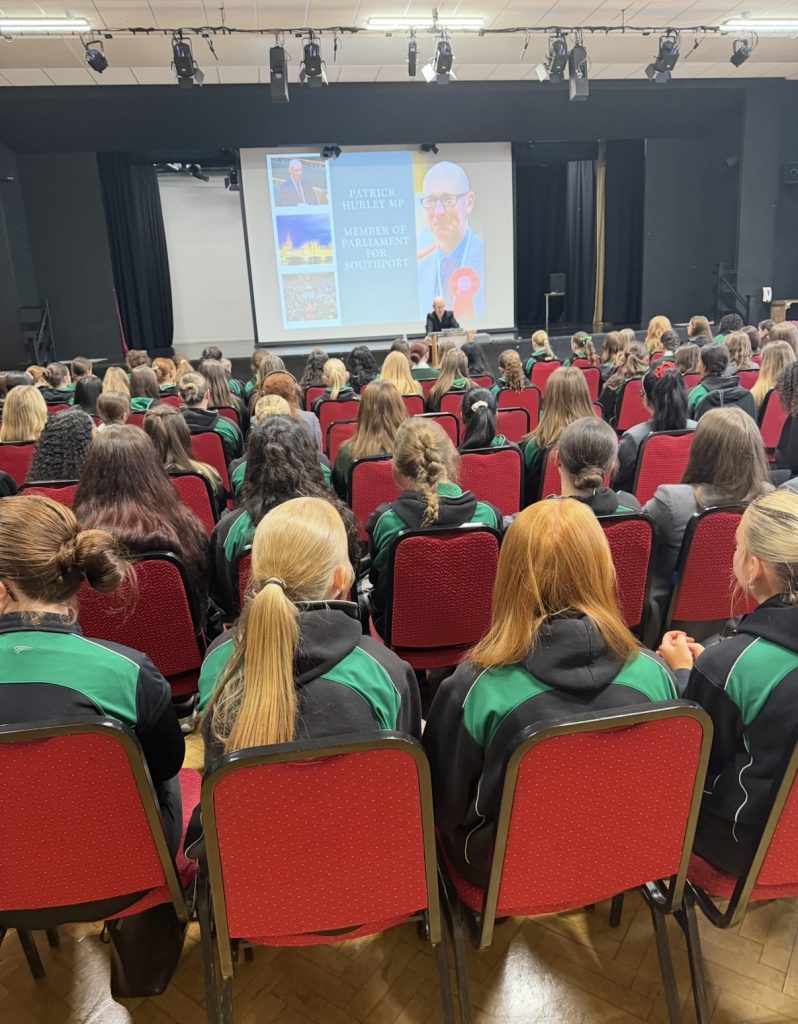
School Council
Diversity Group
Opportunities to contribute ideas and lead initiatives
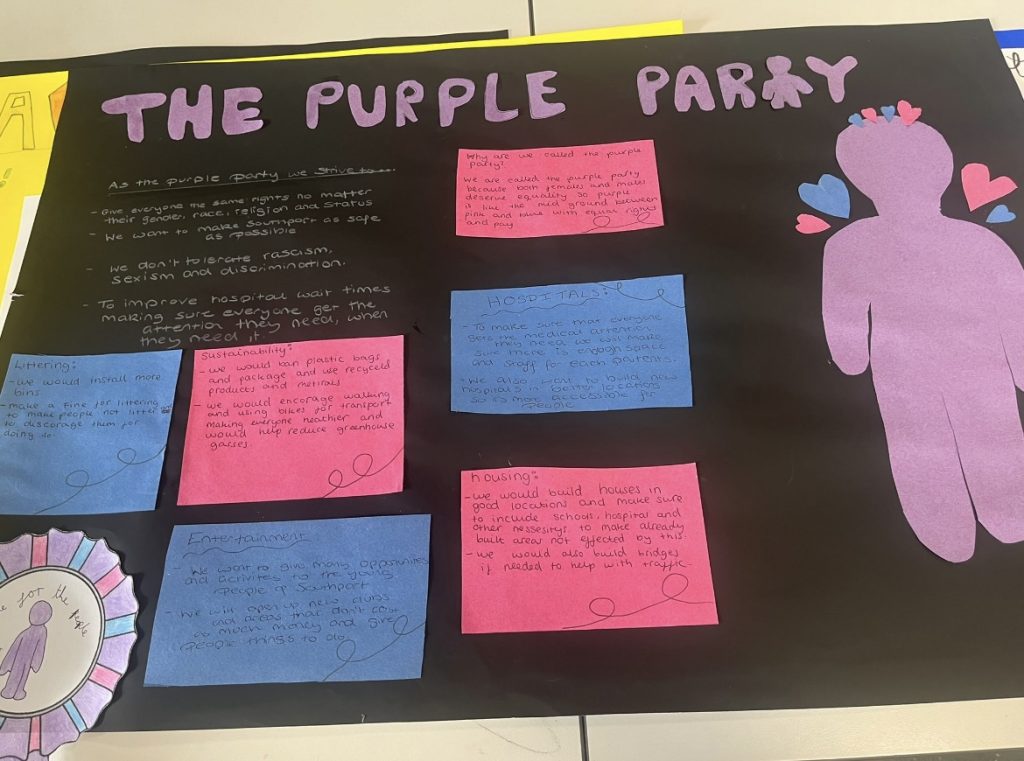
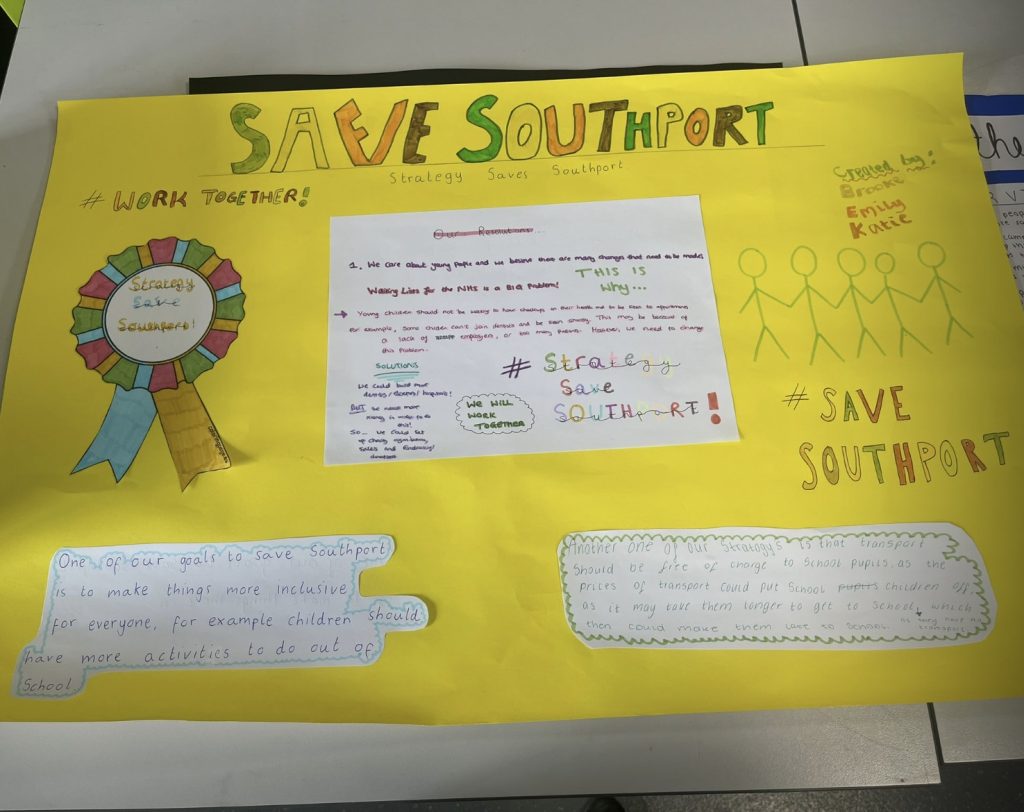
Mock elections and debating competitions further develop students’ understanding of democratic processes.
Community Engagement
Our students take pride in supporting others:
Participation in the Duke of Edinburgh’s Award, including volunteering
Charity fundraising—raising over £15,000 for causes such as UNICEF and Alder Hey
Community initiatives such as Christmas hamper collections
Leadership opportunities supporting local primary schools
A Culture of Respect and Inclusion
Through our house system, curriculum, and enrichment activities, we foster a strong sense of belonging and mutual respect. Students learn to value diversity, embrace different perspectives, and contribute positively to society.
At Greenbank High School, we prepare our students not only for academic success, but for life as thoughtful, responsible citizens in a diverse and ever-changing world.

-
Help and Advice
Help and Advice
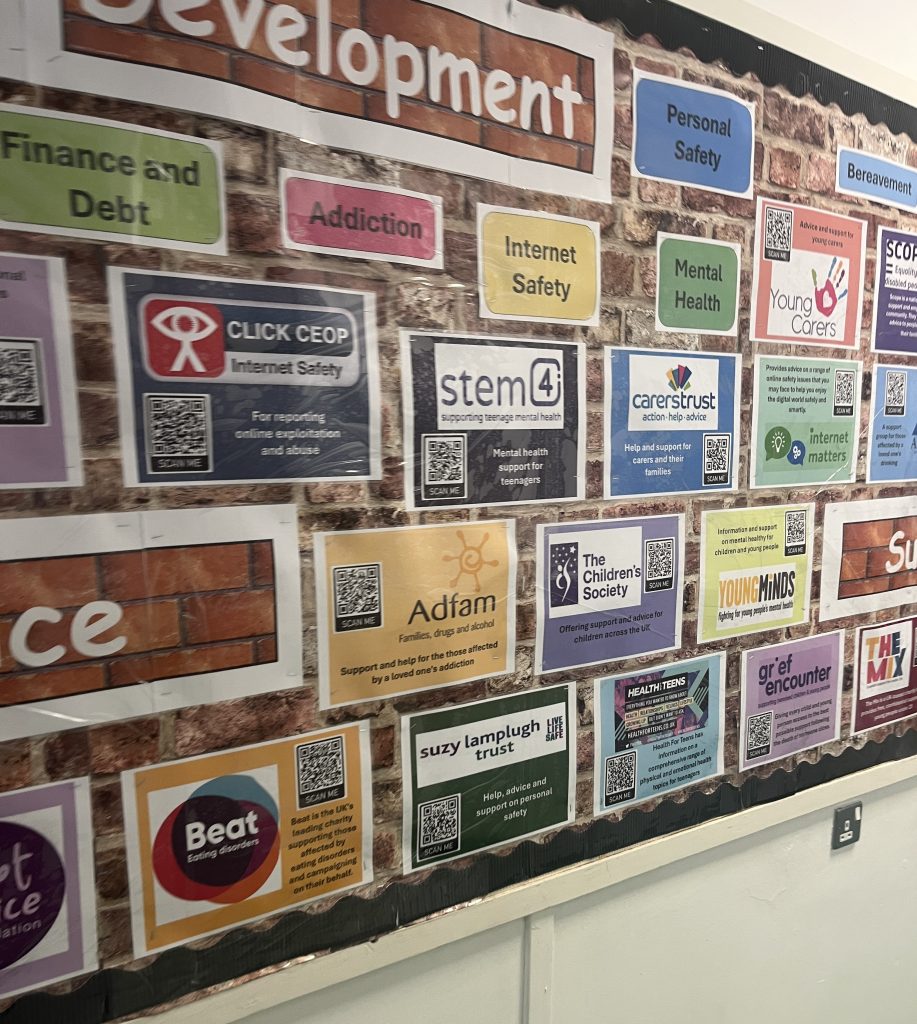
A PD (Personal Development) notice board is displayed, featuring links and QR codes that provide access to help and advice related to all topics studied. Pupils also have copies of relevant help and support materials included within their topic booklets.
A copy of this resource is provided below:
-
Relationship and Sex Education Policy
-
Newsletter